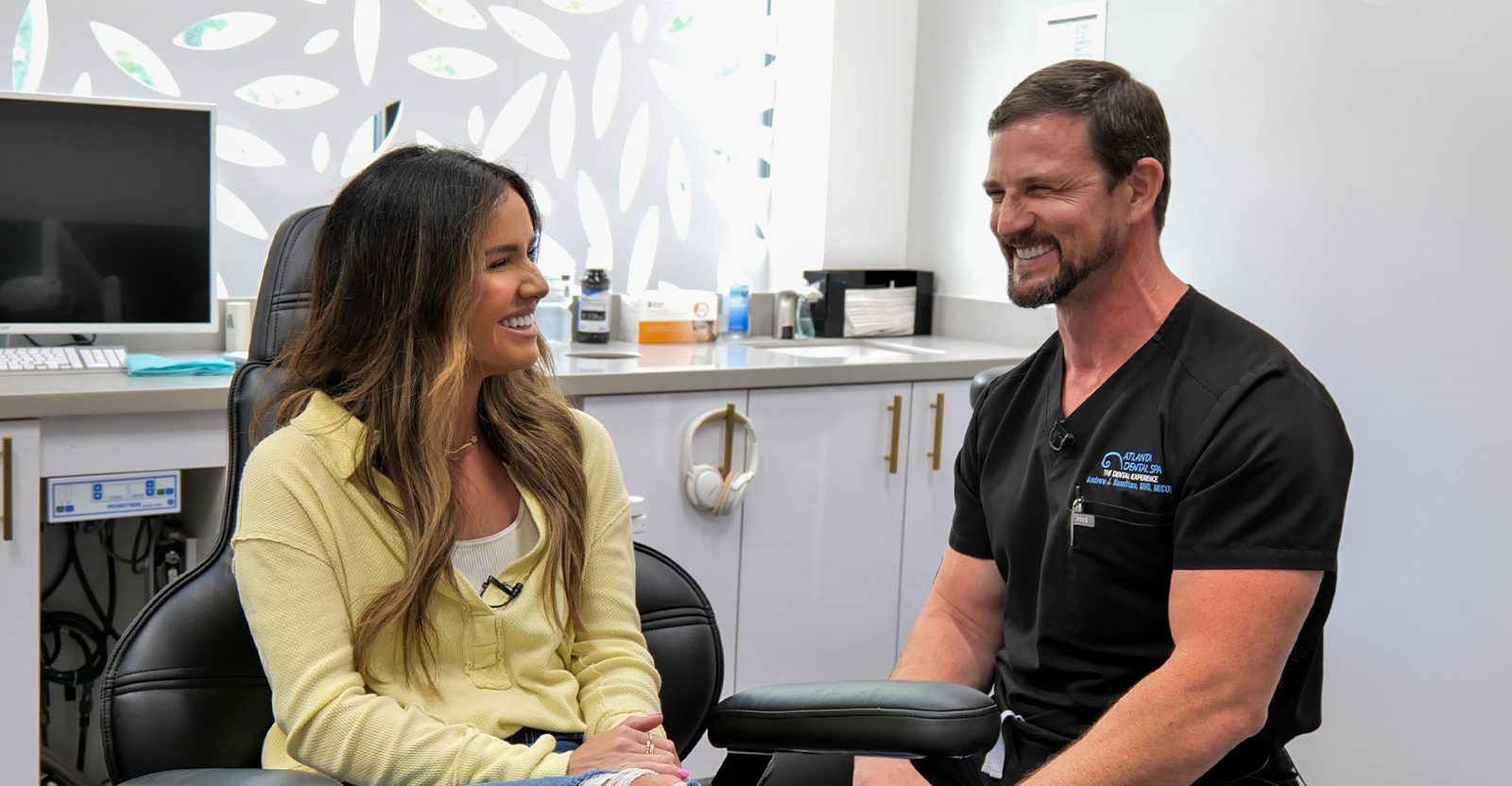
Dental anxiety is common, deeply personal, and never something a patient should feel embarrassed to disclose. It may come from a difficult past experience, fear of discomfort, a sensitive gag reflex, difficulty becoming numb, or the vulnerability of simply being in the dental chair.
Sedation is not one-size-fits-all
Different levels of support may be appropriate for different people and procedures. Nitrous oxide offers lighter relaxation and clears quickly. Oral conscious sedation can create a deeper sense of calm for suitable patients. IV conscious sedation allows medication to be administered and adjusted intravenously during appropriate complex, surgical, or longer treatment.
The safest choice is not automatically the deepest choice. Medical history, medications, previous experiences, procedure length, transportation, and recovery support all matter.
What careful planning includes
Before sedation is recommended, Dr. Hamilton reviews relevant health information and explains the intended level of awareness, monitoring, preparation, and recovery. Patients receiving oral or IV sedation generally need a responsible adult to provide transportation and follow the office's instructions.
Sedation does not replace local anesthetic or thoughtful clinical technique. Instead, it can support relaxation, reduce awareness of the appointment, and make it easier for appropriate patients to complete needed care.
A calmer first step
If fear has delayed treatment, the first visit can begin as a conversation. You do not need to arrive knowing which sedation method you want. The goal is to understand what has made dentistry difficult and determine whether a supported approach can help you move forward safely.